
Sleeves and tube
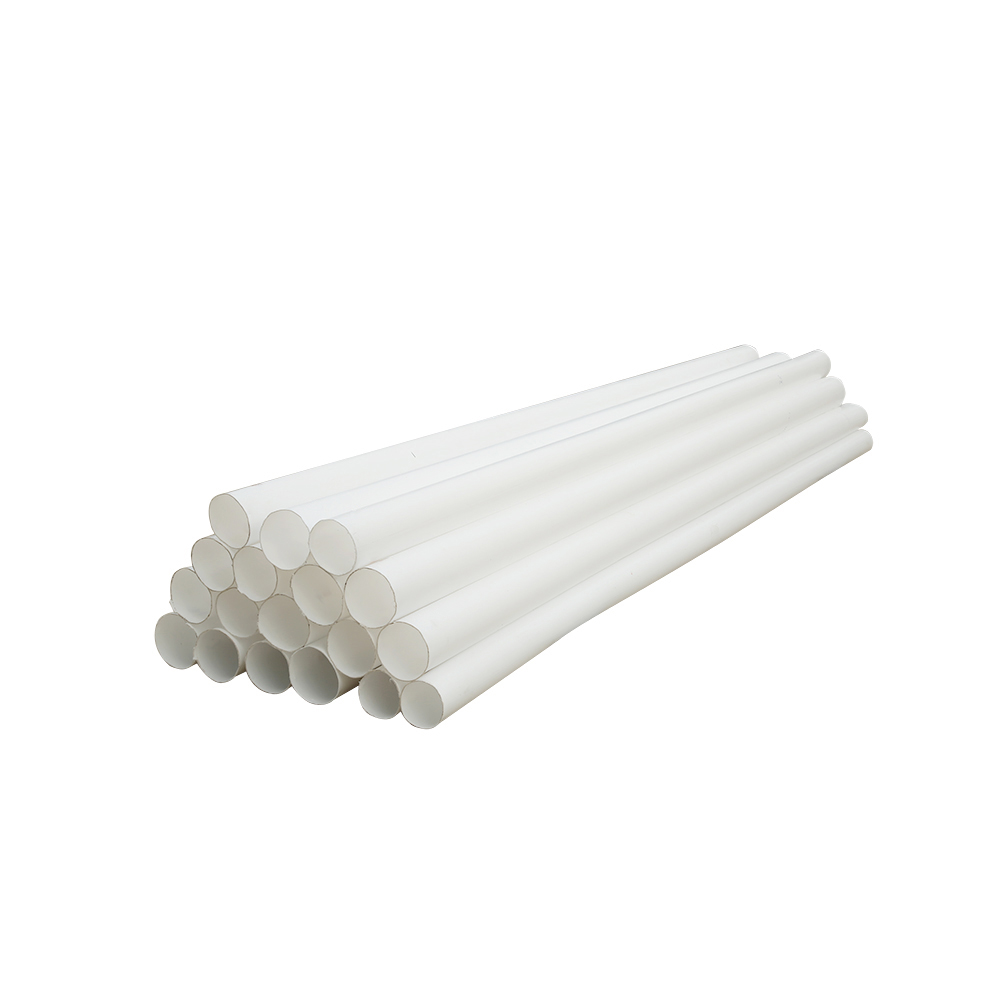
Provide OD, ID, wall, length, tolerance, color, flexibility and assembly method.
Electrical insulation guide
Define the electrical application, geometry, material grade, temperature, assembly method and validation standard before selecting PTFE tube, sleeve, film or machined insulators.
Quick answer
PTFE is commonly reviewed for electrical insulation, but the finished component still depends on dimensions, wall thickness, grade, surface condition, operating temperature, assembly stress and the buyer's electrical safety validation.
Provide OD, ID, wall, length, tolerance, color, flexibility and assembly method.
Provide thickness, width, length, surface treatment, adhesive need and winding or packaging format.
Provide the controlled drawing, grade, critical tolerances, holes, finish and inspection method.
RFQ workflow
State where the part sits, operating voltage category, environment and buyer-required standard or test.
Provide continuous and peak temperature, movement, compression, fasteners and assembly method.
Identify critical wall, clearance, creepage-related geometry, tolerance and mating components on the drawing.
Agree material documents, dimensional inspection and buyer-side electrical qualification before production approval.
Evidence status
Confirmed: product families and RFQ fields shown on this website. Highly likely: the listed material families may be relevant to the described application. To verify: final grade, dimensions, performance, compliance, inspection, MOQ and lead time for the specific order.